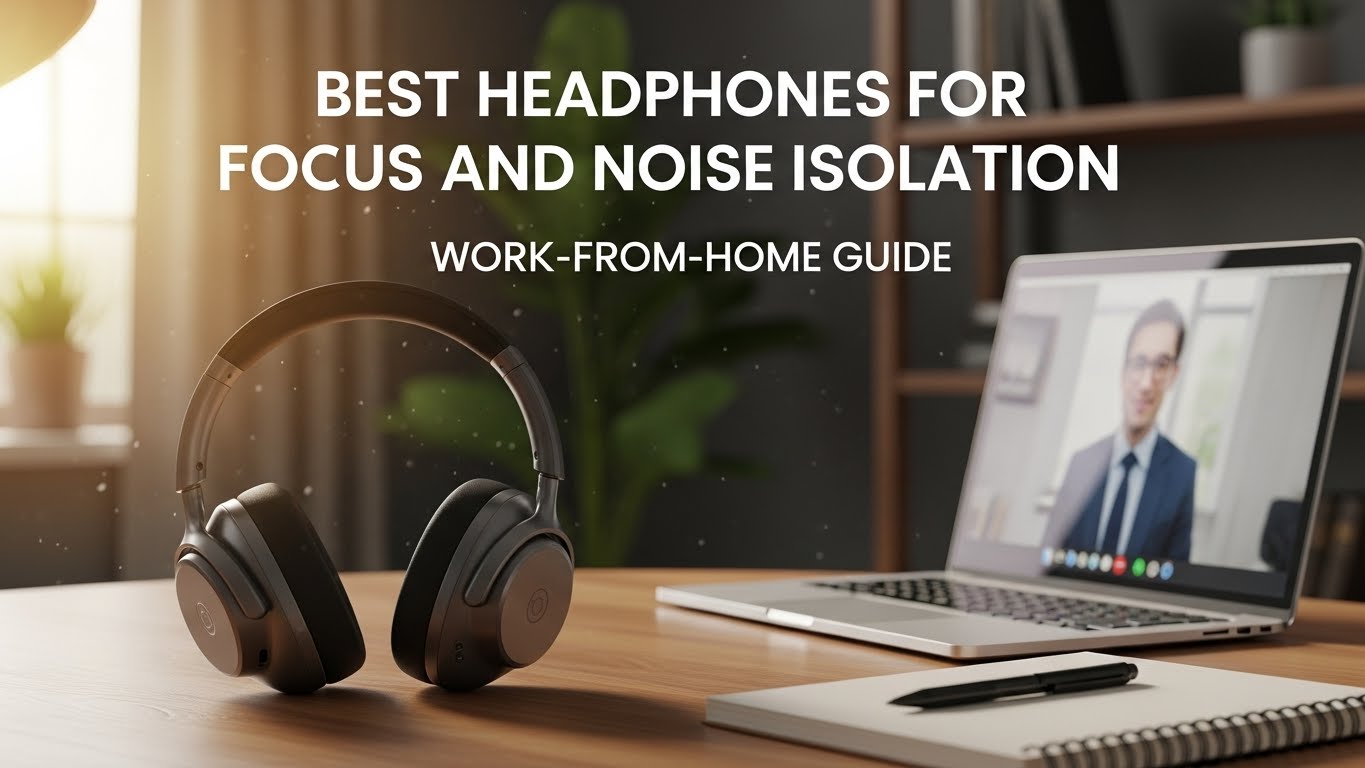
Best Headphones for Focus and Noise Isolation: Work-From-Home Guide
Last Updated: 2025-12-22
Best headphones for focus and noise isolation are essential for productive work-from-home setups. Background noise increases cognitive load, disrupts concentration, and lowers call quality. This guide explains how to choose headphones that actually improve focus—based on noise isolation principles, active noise cancellation (ANC), comfort, and real work scenarios.
Table of Contents
- Why Headphones Improve Focus
- Passive Isolation vs Active Noise Cancellation
- Fit, Comfort, and Long Work Sessions
- Sound Profiles That Support Focus
- Microphone Quality for Calls
- Best Headphones by Work Scenario
- Common Buying Mistakes
- Quick Buyer’s Checklist
- FAQ
- Internal Links
- Disclaimer
- Sources & Research
Why Headphones Improve Focus
Best headphones for focus and noise isolation reduce auditory distractions that compete for attention. Research on cognitive performance shows that unpredictable noise—voices, traffic, household sounds—impairs working memory and task accuracy. Headphones act as a barrier, reducing perceived noise and stabilizing attention.
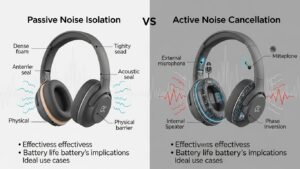
Passive Isolation vs Active Noise Cancellation
Understanding the difference matters:
- Passive isolation: Physical blocking using ear cups or tips
- Active noise cancellation (ANC): Uses microphones and phase-inverted sound to reduce low-frequency noise
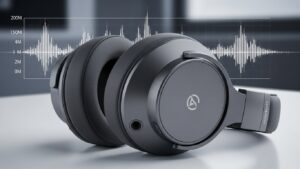
For best headphones for focus and noise isolation, combining good passive isolation with moderate ANC delivers the most natural results.
Fit, Comfort, and Long Work Sessions
Comfort determines whether headphones help or hurt productivity:
- Over-ear designs reduce pressure points
- Light clamping force prevents fatigue
- Breathable ear pads reduce heat buildup
For 6–8 hour sessions, comfort often matters more than raw noise reduction.
Sound Profiles That Support Focus
Neutral or slightly warm sound signatures are ideal:
- Reduced sharp highs prevent fatigue
- Balanced mids keep voices clear
- Controlled bass avoids distraction
Highly boosted bass or treble can reduce long-term focus.
Microphone Quality for Calls
For remote work, microphone clarity is critical:
- Beamforming mics reduce background noise
- Side-tone prevents over-speaking
- Mute controls improve meeting flow
Best Headphones by Work Scenario
- Shared apartment: Over-ear ANC headphones
- Quiet room: Lightweight passive isolation
- Frequent calls: Headphones with strong mic processing
- Long focus sessions: Comfort-first designs
Common Buying Mistakes
- Overvaluing ANC alone
- Ignoring comfort and weight
- Choosing sound profiles designed for music, not work
Quick Buyer’s Checklist
- Good passive isolation
- Moderate ANC (if needed)
- Comfort for long sessions
- Clear microphone quality
- Reliable battery life
FAQ
1. Are ANC headphones necessary for focus?
Not always—passive isolation is often enough.
2. Do headphones cause listening fatigue?
Poor fit or harsh sound profiles can.
3. Are earbuds suitable for work?
Yes, but over-ear models are usually more comfortable.
4. Does music help concentration?
Instrumental or ambient sounds work best.
5. Should I use transparency mode?
Only when situational awareness is needed.
Internal Links
Disclaimer
This article provides general audio and productivity guidance. It is not medical or hearing advice.
Sources & Research
I’m not a medical professional, ergonomist, or workplace specialist.WorkNest exists to help everyday people build more comfortable, practical home office environments through clear explanations, visual guides, and common-sense adjustments.
Articles on this site are written from a non-expert perspective, focusing on real-world use, everyday discomforts, and widely accepted setup principles rather than clinical or professional advice.