Best Headphones for Focus and Noise Isolation: Home Office Buyer’s Guide
Last Updated: 2025-12-14
The best headphones for focus can completely change how productive you feel in a home office. Apartment noise, hallway chatter, traffic sounds, or even a loud keyboard can interrupt your workflow dozens of times a day. This guide explains which headphone features actually improve focus, how noise isolation differs from active noise cancelling, and which designs work best for small home offices and shared apartments.
Table of Contents
- Why Headphones Matter for Home Office Focus
- Types of Headphones for Focus (ANC, Passive, Open-Back)
- Key Features That Improve Concentration
- Fit & Comfort for Long Work Sessions
- Best Headphone Styles for Small Home Offices
- Noise Isolation vs Active Noise Cancelling
- How to Pair Headphones With a Focus Workflow
- Troubleshooting Common Headphone Issues
- Quick Buyer’s Checklist
- FAQ
- Internal Links
- Disclaimer
- Sources
- Author
Why Headphones Matter for Home Office Focus
Most home offices aren’t soundproof. Noise from neighbors, appliances, or family members affects concentration more than people realize. The best headphones for focus block distracting frequencies, reduce mental load, and help you stay deep in tasks for longer periods without interruption.
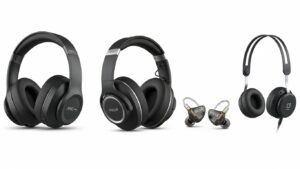
Types of Headphones for Focus (ANC, Passive, Open-Back)
Different environments benefit from different headphone designs:
- Active Noise Cancelling (ANC): Best for apartments and city noise; reduces low-frequency hums and background sounds.
- Passive Isolation: Thick ear cushions or in-ear tips that physically block noise; ideal for steady, predictable sounds.
- Open-back headphones: Not great for noisy rooms, but excellent for natural sound and long comfort.
Key Features That Improve Concentration
The best headphones for focus share several key features:
- Strong noise isolation: keeps outside distractions minimal.
- Long battery life: at least 20–30 hours for all-day work.
- Comfortable clamping force: avoids pressure headaches.
- Neutral sound signature: good for calls and music.
- Multi-device pairing: switch between laptop and phone easily.
Fit & Comfort for Long Work Sessions
Comfort determines whether you can wear headphones for hours without taking breaks. Look for:
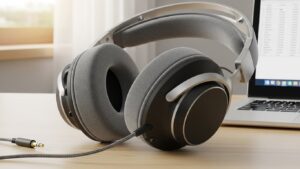
- Soft ear cushions (memory foam is ideal)
- Headbands that distribute pressure evenly
- Lightweight frames for long use
- Adjustable ear cup angles
Best Headphone Styles for Small Home Offices
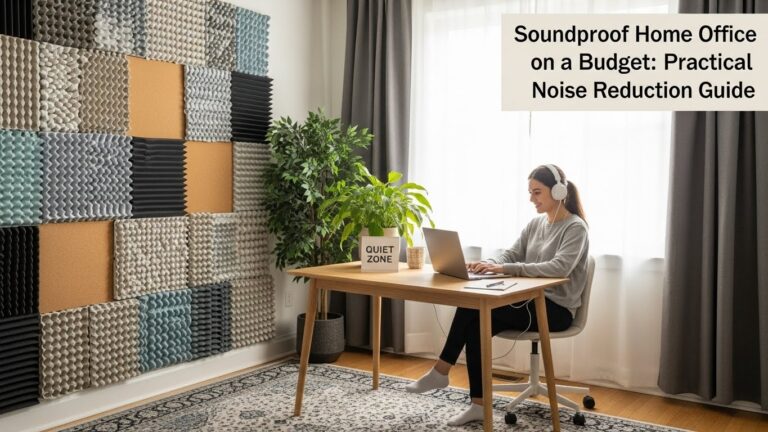
Small rooms amplify sound and echo, making noise control even more important. The best headphones for focus in a tight home office typically include:
- Closed-back designs to block noise around you
- ANC for variable environmental sounds
- Bluetooth multipoint for seamless device switching
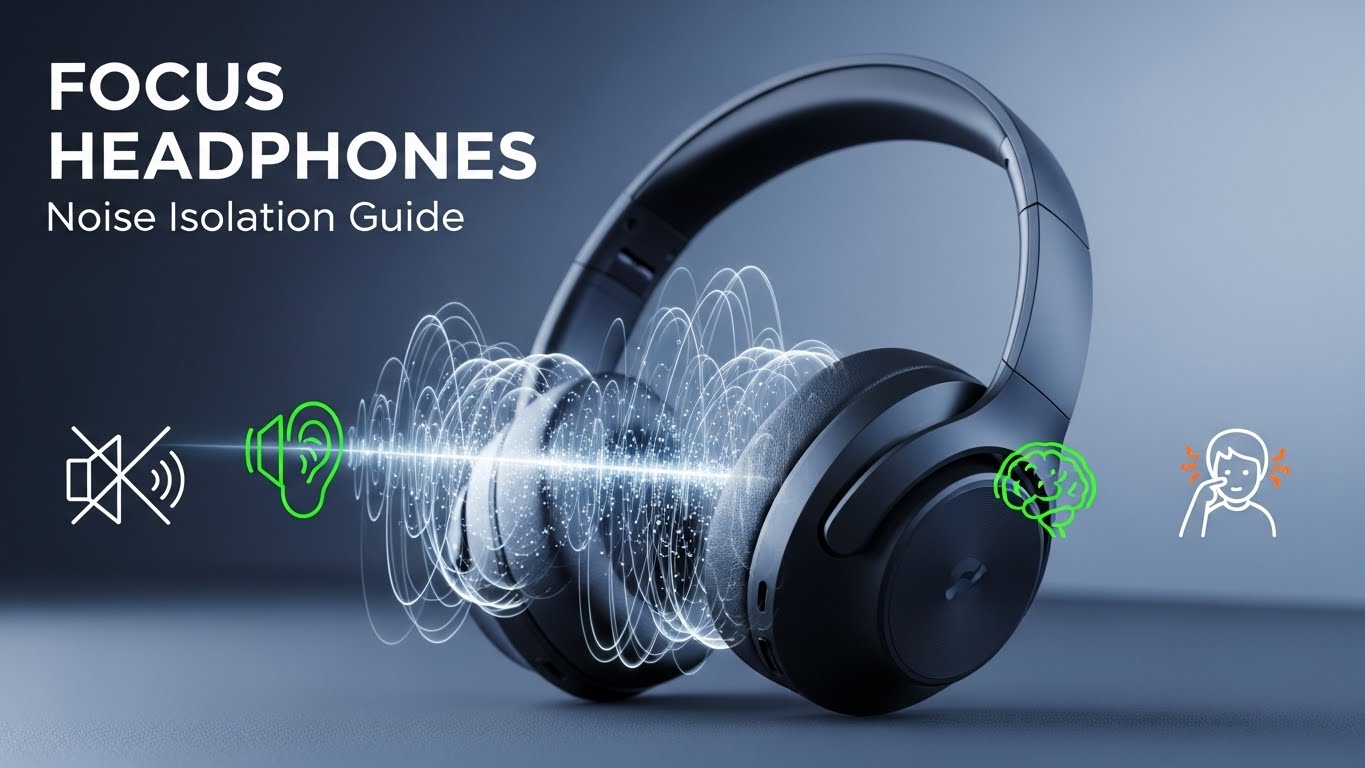
Noise Isolation vs Active Noise Cancelling
Although people often treat them as the same, they work differently:
- Noise isolation (physical): ear cups block noise naturally
- Active Noise Cancelling (electronic): microphones cancel incoming sound waves
The best headphones for focus usually combine both features for maximum effect.
How to Pair Headphones With a Focus Workflow
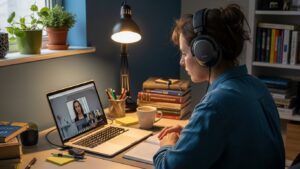
Headphones alone won’t solve everything. Combine them with a workflow:
- Play consistent background sounds (brown noise, soft ambient)
- Use them during focused intervals (25–50 minutes)
- Remove them briefly during breaks for ear comfort
Troubleshooting Common Headphone Issues
• Headphones hurt after 1–2 hours
Loosen the clamping force or use larger ear pads.
• ANC makes a pressure feeling
Switch to low ANC or use passive isolation models instead.
• Audio delay in calls
Use wired mode or enable low-latency settings if supported.
• Too much warmth or echo in a small room
Open curtains or add soft materials to absorb reflections.
Quick Buyer’s Checklist
- Strong ANC or isolation
- Lightweight comfort
- Neutral sound for calls
- Multi-device pairing
- Long battery life
FAQ
1. Are ANC headphones good for home offices?
Yes—especially in apartments or shared rooms with unpredictable noise.
2. Do headphones improve productivity?
They reduce disruptive sounds and help maintain focus for longer work intervals.
3. Closed-back or open-back?
Closed-back for noise isolation; open-back only if your environment is quiet.
4. Are in-ear models okay?
Yes, if they offer strong isolation and comfortable tips.
5. Should I use Bluetooth or wired?
Bluetooth is fine for most work; wired is ideal for zero-latency calls.
Internal Links
Disclaimer
This guide offers general information about headphone types and focus-related features. It does not provide medical or hearing-related advice.
Sources
Author
Home Office Setup Project — Evidence-Based Productivity
I’m not a medical professional, ergonomist, or workplace specialist.WorkNest exists to help everyday people build more comfortable, practical home office environments through clear explanations, visual guides, and common-sense adjustments.
Articles on this site are written from a non-expert perspective, focusing on real-world use, everyday discomforts, and widely accepted setup principles rather than clinical or professional advice.